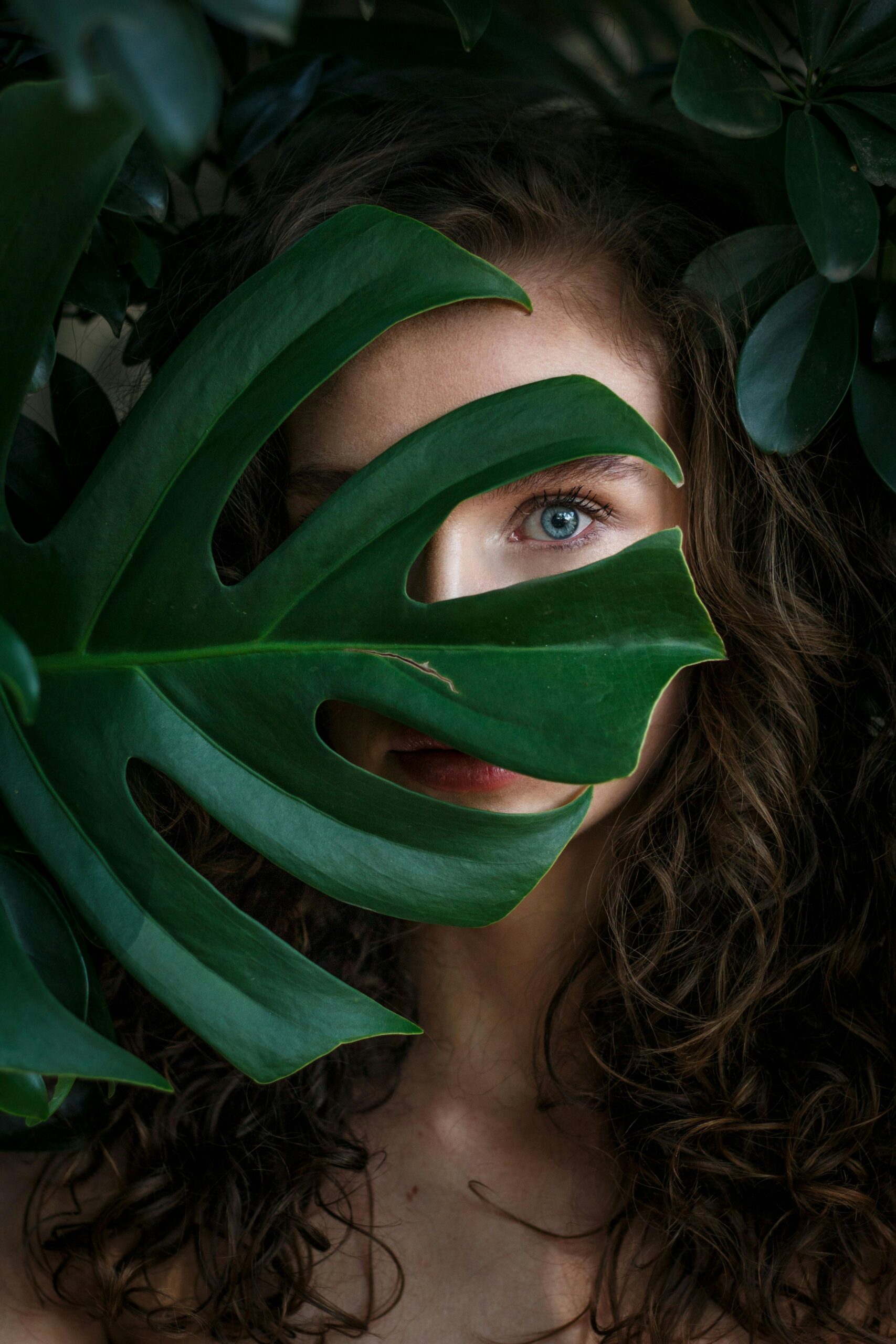
Cool pictures are not just about expensive gear; they come from understanding light, composition, and the right camera for your goals. Photography has a long history, and once you know the basics, you can create images that look polished, creative, and eye-catching.
What Makes a Picture “Cool”
A cool picture usually has one or more of these qualities: strong lighting, an interesting subject, a clean composition, a unique angle, or a mood that feels intentional. Golden hour, which is the hour after sunrise or before sunset, is one of the easiest ways to make photos look warm and flattering because the light is softer and less harsh. Another simple way to improve photos is to shoot the same subject from different distances, such as wide, full-body, portrait, and close-up views.
Check Out This Blog>>How to Take a Cute Profile Picture: A Beginner-Friendly Guide That Actually Works
Best Camera Types
You do not need the most expensive camera to take great photos. For beginners, entry-level mirrorless cameras are often a smart choice because they are compact, easy to learn, and strong in low light; one example is the Canon EOS R100, which is described as an affordable beginner camera with a 24 MP sensor. DSLR cameras are also still useful if you want a traditional feel, while mirrorless models are often better for travel and everyday use because they are lighter and more modern.
Here is a helpful camera list:
- Smartphone camera — Best for quick content, social media, and casual photography. Modern phones are great for practice because they are always available and easy to use.
- Compact point-and-shoot — Best for simple operation and portability. These are good for beginners who want better image quality than a phone without complex settings.
- Mirrorless camera — Best for beginners, creators, and professionals who want excellent image quality in a smaller body. These cameras are especially popular for travel, portraits, and content creation.
- DSLR camera — Best for photographers who want optical viewfinders, a traditional shooting experience, and lots of lens options.
- Full-frame camera — Best for professionals who want better low-light performance, stronger depth of field control, and high image quality.
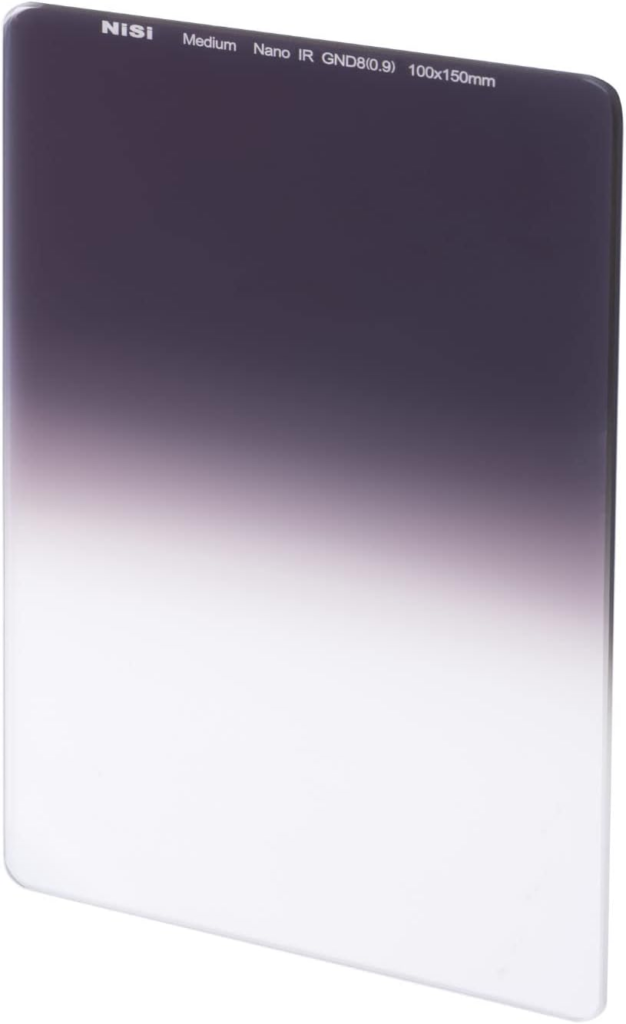
Check This Out>> NiSi ND8 100x150mm Medium GND Filter | 3-Stop Medium Graduated Neutral Density Lens Filter | Long-Exposure and Landscape Photography
History and Origin
Photography has roots that go back much farther than most people realize. The camera obscura, a device that projects an image through a small hole, was described by Aristotle in the 4th century BC and became the foundation for later photographic technology. The first surviving permanent photograph was taken by Nicéphore Niépce in 1826, and the daguerreotype was publicly announced in 1839 by Louis Daguerre.
Photography then evolved through major milestones such as the negative-positive process, film strips, and color film. This history matters because today’s cameras are built on centuries of experimentation, and understanding that background gives you a deeper appreciation for the craft.
Lighting Advice
Lighting can make or break a photograph. Natural light is usually the easiest and most flattering option, especially for beginners, and shooting right before sunset often creates softer, warmer, more attractive images. Midday sun is usually harder because it creates strong shadows and can make skin tones look less flattering.
For beginners:
- Shoot during golden hour.
- Face your subject toward soft light.
- Use open shade, like the side of a building or under a tree.
- Avoid harsh overhead flash when possible.
For professionals:
- Use reflectors to soften shadows.
- Add diffusers to control direct light.
- Try off-camera flash for depth and shape.
- Combine natural and artificial light for more dramatic results.
Beginner Tips
If you are just starting out, focus on three things first: light, composition, and consistency. Use your camera or phone in a way that lets you practice often, and do not worry about mastering every setting immediately. A simple habit like taking photos at different distances can make your gallery more dynamic and interesting.
Also, learn basic editing after you shoot. Even small adjustments to brightness, contrast, and crop can make a photo look much stronger. The goal is to train your eye so you can notice what works before you press the shutter.
Check Out This Blog >>Rise & Shine: The Ultimate Guide to Capturing Stunning Sunrise Photos
Professional Tips
Professionals often think less about “taking a picture” and more about “building a scene.” That means paying attention to angle, framing, light direction, and subject placement. Wide shots, close-ups, and creative perspectives can all help create images that feel more cinematic and memorable.
If you are shooting for clients or content, build a repeatable workflow: plan the location, check the light, test a few angles, and shoot with purpose. That process saves time and improves consistency, which is one of the biggest differences between casual photos and professional work.
Final Take
Cool pictures come from a mix of history, technique, and practice. Start with good light, choose a camera that fits your goals, and learn to see scenes from different angles and distances. Whether you use a phone, a beginner mirrorless camera, or professional gear, the real secret is understanding how to make light and composition work for you.
Jamie L. Taylor
Soft Life Luxury