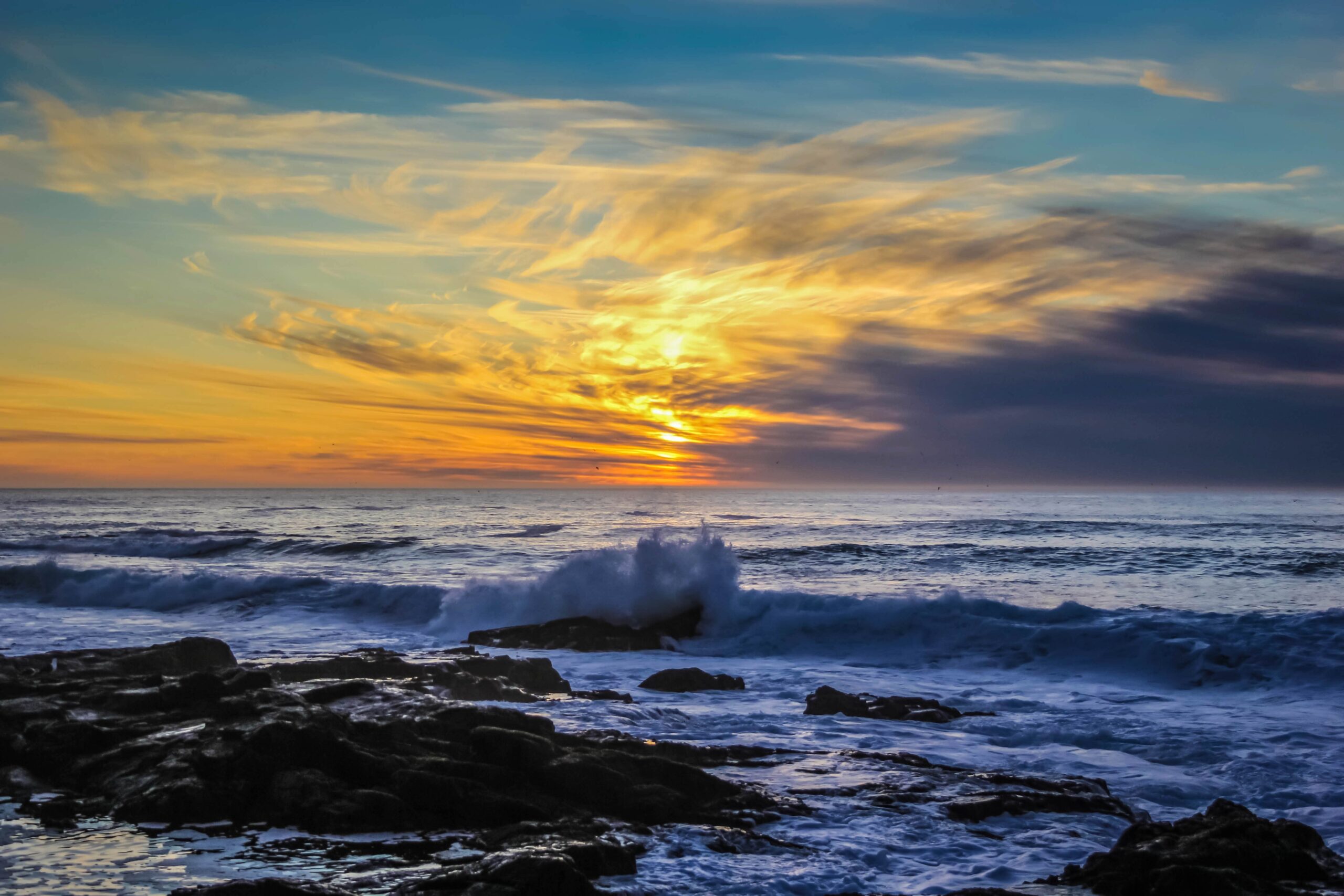
Ocean photography has a magic that few other subjects can match. The sea is alive—constantly shifting, breathing, and transforming. One moment it’s calm and glassy, the next it’s wild and explosive. This constant change is exactly what makes photographing the ocean so addictive. Every frame is unique, every wave is different, and every sunrise paints the water with new colors. Whether you’re a beginner learning to capture your first beach sunset or a growing photographer refining your craft, understanding how to work with the ocean—not against it—is the key to creating powerful images.
What makes ocean photography so special is the way natural elements interact. Light changes minute by minute. Weather can shift dramatically. Waves rise, fall, and reshape the shoreline. Reflections dance across the surface. Movement adds energy. Color shifts create mood. These variables make the ocean one of the most dynamic photography subjects on Earth.
Check Out This Blog>>How to Take a Cute Profile Picture: A Beginner-Friendly Guide That Actually Works
Because the ocean never repeats itself, timing and patience become your greatest tools. You’re not just taking a picture—you’re waiting for the perfect moment when light, water, and atmosphere align. That’s the thrill of ocean photography.
🌅 Beginner Ocean Photography Tips
Even if you’re just starting out, you can capture beautiful ocean images by focusing on a few simple fundamentals.
1. Shoot During Golden Hour
The most flattering light happens at sunrise and sunset. During these times, the sun sits low on the horizon, creating soft colors, glowing water, and dramatic skies. Golden hour light adds warmth and depth that midday sun simply can’t match.
2. Keep the Horizon Straight
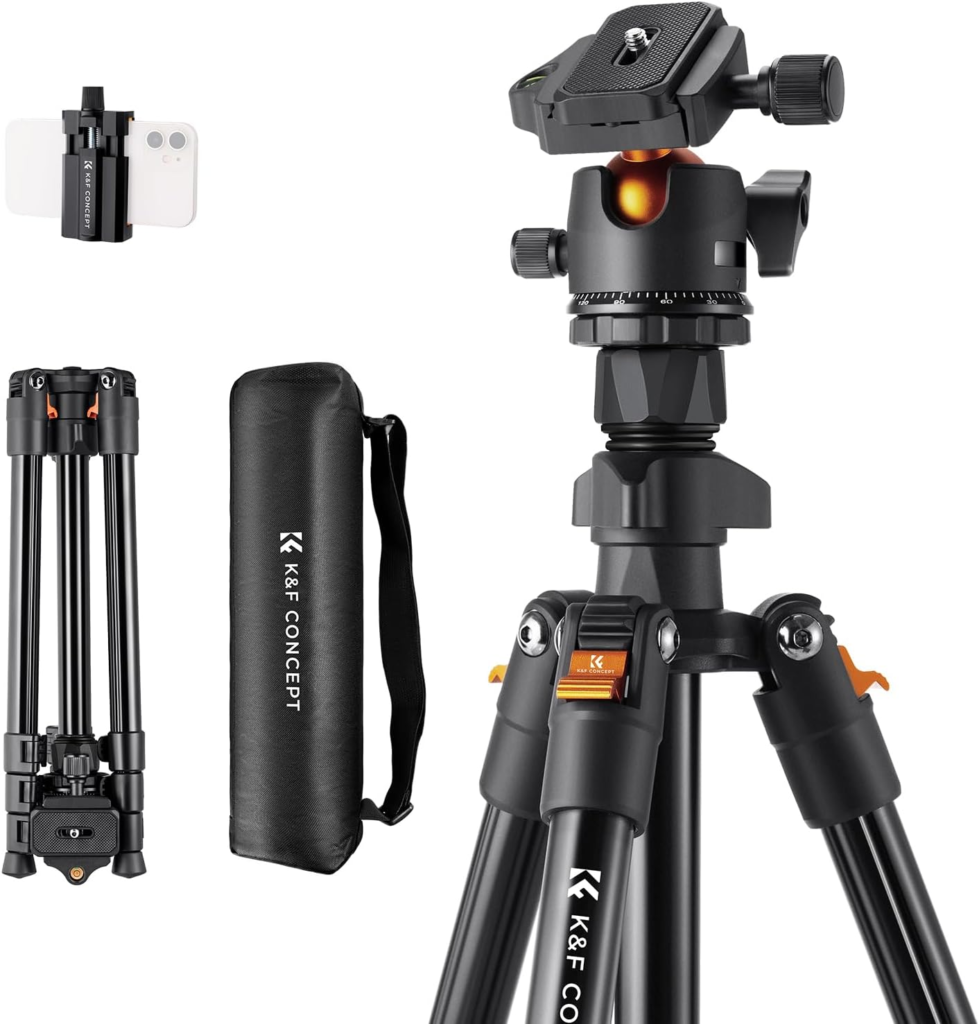
A crooked horizon is one of the most common beginner mistakes in ocean photography. Use your camera’s grid lines, a built‑in level, or a tripod to keep your horizon clean and balanced. A straight horizon instantly makes your image look more professional.
3. Use Simple Compositions
The ocean is vast, so adding a foreground element helps create depth. Try using rocks, footprints, pier lines, or waves leading toward the horizon. These visual anchors guide the viewer’s eye and make your image more engaging.
4. Learn Basic Exposure
Understanding exposure is essential. Practice balancing ISO, aperture, and shutter speed.
- A fast shutter freezes crashing waves.
- A slow shutter creates silky, dreamlike water.
This is where ocean photography becomes creative—you get to decide how the water should look.
5. Protect Your Gear
Saltwater and sand can destroy equipment quickly. Bring lens cloths, a waterproof bag, a rain cover, and extra batteries. Treat the ocean with respect, and protect your tools.
6. Focus on Light More Than Gear
Even a simple camera can create stunning ocean photos in good lighting. Light is the real magic—not the price of your equipment.
🌊 Professional Ocean Photography Tips
Once you’re comfortable with the basics, you can start using more advanced techniques to elevate your images.
1. Use Long Exposure Techniques
Long exposures transform the ocean into something ethereal. Using ND filters, tripods, and slow shutter speeds creates misty water, motion blur, and dramatic skies. This technique turns ordinary scenes into fine‑art images.
2. Study Tides and Weather
Professional ocean photographers study the environment. Learn how tides affect the shoreline, how storms shape the sky, and how wind influences waves. Some of the most breathtaking ocean images happen right before or after storms.
Check This Out >> Earth Pak Waterproof Dry Bag – Roll Top Waterproof Backpack Sack Keeps Gear Dry for Kayak with Waterproof Phone Case

3. Shoot RAW
RAW files preserve more color, detail, and editing flexibility. This is especially important for ocean photography, where subtle color shifts matter.
4. Use Foreground Interest
Pros rarely shoot only open water. Add cliffs, driftwood, people, boats, tide pools, or lighthouses to create storytelling elements.
5. Master Filters
Filters help you control light and reflections.
- A polarizer reduces glare.
- ND filters allow long exposures.
- Graduated ND filters balance bright skies with darker water.
6. Learn Patience
Professionals may wait hours—or days—for the perfect conditions. Ocean photography rewards patience more than any other genre.
📸 Best Camera Types for Ocean Photography
Beginner Cameras: Mirrorless
Great for travel, beach sunsets, and everyday shooting. Examples include the Canon EOS R50, Sony ZV‑E10, and Nikon Z30.
Professional Cameras: Full Frame Mirrorless
Ideal for low light, detail, and harsh weather. Popular choices include the Sony A7 IV, Canon EOS R5, and Nikon Z8.
🔭 Best Lenses for Ocean Photography
- Wide Angle (16–35mm) for big skies and landscapes
- Telephoto (70–200mm) for waves, surfers, and distant subjects
- Prime lenses (35mm or 50mm) for sharp, artistic shots
🎒 Helpful Accessories
Start with essentials like a tripod, polarizer, ND filters, waterproof backpack, lens cleaning kit, extra batteries, and memory cards.
🌤 Easy Ocean Photo Ideas to Practice
Try capturing waves on rocks, sunset reflections, seashell close‑ups, piers, birds, storm clouds, long‑exposure water blur, footprints, boats at sunrise, or silhouettes at sunset. These simple subjects help you build skill quickly.
⚠️ Common Beginner Mistakes
Avoid shooting in harsh midday light, tilting the horizon, overediting colors, getting too close to dangerous waves, forgetting lens cloths, or ignoring weather conditions.
📘 Best Settings Cheat Sheet
Freeze Waves Shutter: 1/1000+ ISO: 100–400 Aperture: f/4–f/8
Smooth Water (Long Exposure) Shutter: 1–20 seconds Tripod required ND filter recommended
Sunset Shots ISO: as low as possible Aperture: f/8–f/11 Shoot RAW
🌍 Best Places to Practice
You don’t need exotic beaches. Practice at lakes, rivers, local beaches, marinas, stormy days, or sunrise walks. Consistency matters more than location.
Check Out This Blog >>Rise & Shine: The Ultimate Guide to Capturing Stunning Sunrise Photos
Ocean photography is a blend of art, timing, and observation. The more time you spend near the water, the more you’ll understand its rhythms. Every outing teaches you something new. And with patience, practice, and a willingness to experiment, you’ll create ocean images that feel alive—images that capture not just what the ocean looks like, but what it feels like.
Jamie L. Taylor
Soft Life Luxury