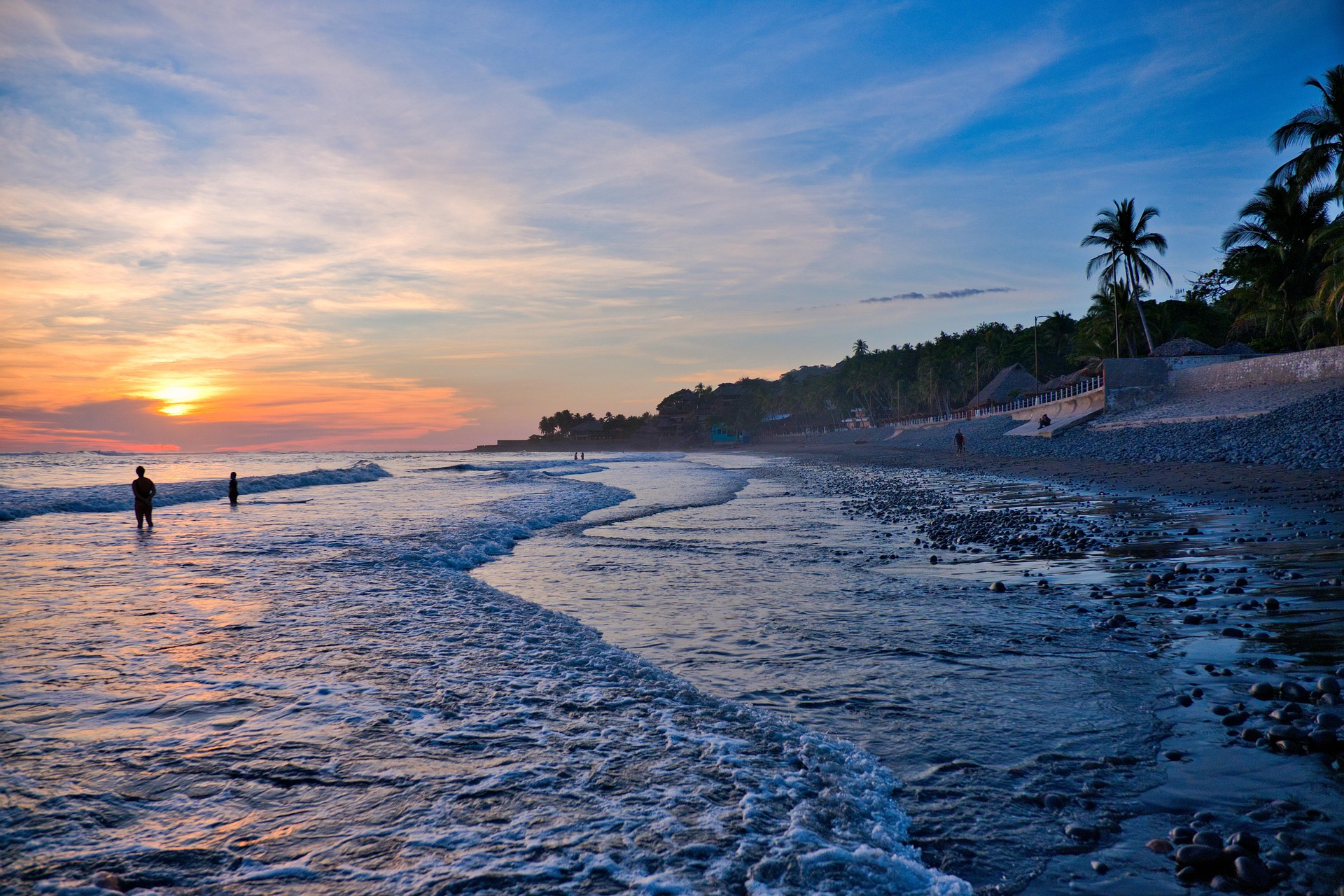
Taking great beach pictures is about more than pointing a camera at the ocean. It’s about timing, light, composition, and using the right gear so the sand, water, and sky all work together in one beautiful image. Beach photography has a long history that stretches back to the early days of photography, when photographers carried heavy equipment to coastal resorts and shot carefully posed seaside scenes before modern handheld cameras made spontaneous beach moments possible.
Why Beach Photos Matter
Beach pictures are popular because beaches are naturally dramatic and emotionally rich. You get strong lines, reflective water, changing skies, moving subjects, and a mix of textures that can make even a simple scene look cinematic. Historically, seaside photography also became tied to leisure and tourism as beachgoing grew in popularity during the Victorian era, and early photographers began offering portraits and souvenirs at coastal destinations. That history still shapes beach photography today because the genre blends landscape, portrait, and lifestyle storytelling.
Equipment Needed
You don’t need expensive gear to start, but the right tools make beach photography much easier and more consistent. A basic kit should include the following:
- Camera or smartphone. A DSLR, mirrorless camera, or even a modern phone can capture strong beach images if you understand light and composition.
- Wide-angle lens. This helps you capture sweeping shorelines, sky, and foreground details in one frame, which is especially useful for landscapes.
- Portrait lens. A 35mm, 50mm, or 85mm lens is great for people at the beach because it creates cleaner subject separation and flattering perspective.
- Tripod. A sturdy tripod is helpful for long exposures, low-light scenes, and sharper landscape shots, especially when the wind is strong.
- Circular polarizing filter. A CPL reduces glare from water and wet sand and can deepen the blue in the sky.
- Neutral density filter. This is useful when you want slower shutter speeds for silky waves or motion blur in bright daylight.
- Remote shutter release. This reduces camera shake when using a tripod and helps with long exposure shots.
- Lens cloth and protective bag. Salt spray, sand, and wind can quickly affect your gear, so protection matters.
- Extra batteries and memory cards. Beach sessions often last longer than expected, especially during sunrise or sunset.
Best Time and Light
The best time for beach photography is usually the golden hour, which is the hour after sunrise and the hour before sunset. During this time, the light is soft, warm, and directional, which makes skin tones look better and creates a more flattering, natural glow. The blue hour just after sunset or before sunrise can also produce beautiful, cool-toned beach images with peaceful skies and strong silhouettes.
Midday is usually the hardest time to shoot because the sun is high and harsh. That light can create blown highlights on water, squinting subjects, and deep shadows under the eyes and nose. If you must shoot at midday, place your subject so the sun is behind them or slightly to the side, and use shade, clouds, or a reflector if possible.
How To Shoot Better
Good beach photography starts with composition. Look for a clear focal point, such as a person, shell, footprints, pier, rock, or wave pattern, so the photo has direction and purpose. Try shooting from a lower angle to make foreground textures like sand ripples and shells more interesting. You can also include leading lines from the shoreline or a walkway to guide the viewer’s eye into the frame.
For beginners, the simplest method is to shoot in soft light, keep your subject facing toward even light, and avoid cluttered backgrounds. For more advanced photographers, experiment with backlighting, silhouettes, motion blur, long exposures, and subject placement in relation to the horizon. A small change in angle or timing can completely change the mood of a beach photo.
Beginner Tips
- Start with sunrise or sunset sessions.
- Keep your camera settings simple and shoot in auto or aperture priority at first.
- Use a wide lens for landscapes and a portrait lens for people.
- Clean your lens often because salt spray and sand can ruin sharpness.
- Watch your horizon line so it stays level.
- Take many frames because beach conditions change quickly.
Beginners should focus on learning how light changes during the day rather than chasing complicated settings. Once you understand how shadows, reflections, and wind affect the scene, your photos will improve quickly.
Pro Techniques
Professional beach photographers often work with layers, storytelling, and precise light control. They may use filters to smooth water, bracket exposures to preserve highlights, or wait for moving clouds to add drama to the sky. They also think carefully about weather, tide, and subject placement to make the composition feel balanced and intentional.
If you want editorial-style beach photos, aim for a strong subject, clean color palette, and one clear emotional point. That might be a child running through the surf, a couple walking at sunset, or a lone figure against a dramatic sky. The strongest images usually feel simple, even when the planning behind them is not.
References With History
Beach photography developed alongside modern photography in the 19th century, when seaside travel became fashionable and photographers began documenting resort life, portraits, and vacation scenes. As camera technology improved, beach photography shifted from stiff posed images to more natural and spontaneous storytelling, especially in the mid-20th century when handheld cameras and color film became more common. Today, it remains one of the most accessible and creative photography genres because it combines landscape, portrait, and lifestyle imagery in one setting.
A few useful reference themes from the sources include equipment recommendations, golden-hour timing, and composition advice. Together, they show that great beach photography is less about luck and more about preparation, timing, and observing the scene carefully.
Closing Thought
The best beach pictures usually come from simple choices made well: the right light, a clean composition, and gear that supports your vision. Whether you are shooting with a phone or a professional camera, the beach gives you endless chances to practice, create, and improve.